


Alyssa Hirose
Elf on the Shelf: Festive fun or Christmas creepiness?
Elf on the Shelf: Festive fun or Christmas creepiness?
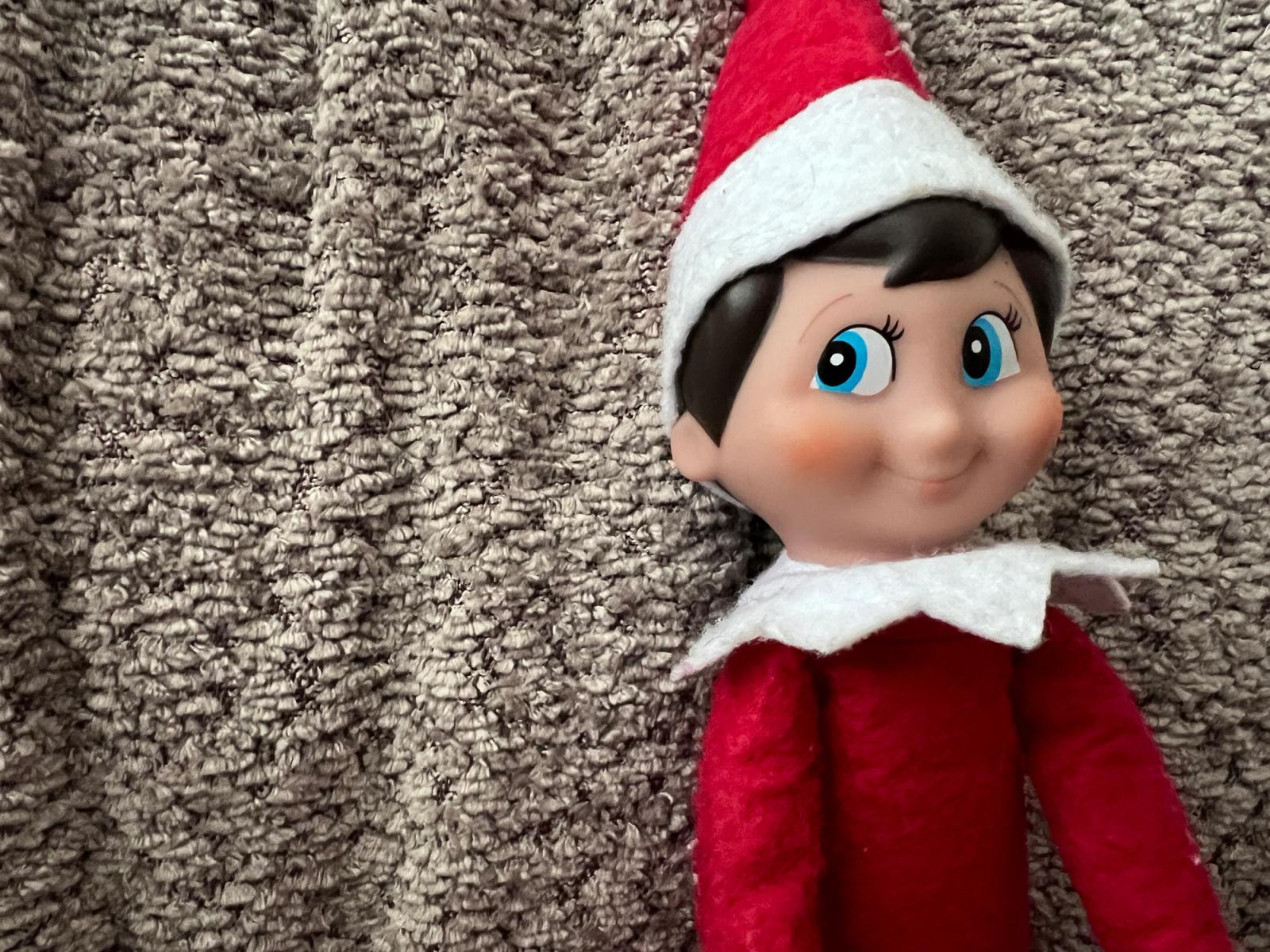
Stephen Smysnuik / The Level
The Topline
- Elf on the Shelf , a toy “scout elf” that updates Santa on kids’ behaviour, is a popular Christmas tradition for many North American families – over 20 million have been sold
- The toy celebrates its 20th birthday this year , but parents and experts debate whether it’s naughty or nice – and now we will too
Never miss another side to every story
Sign up for The Level's 5-minute newsletter, 3x per week
Thanks for subscribing!
Check your inbox for an email to confirm you're on the list. If there's no email, check your spam filter just in case, then mark us as 'not spam' so that you never miss an issue.
Switch sides,
back and forth
Good, for goodness sake
Whether or not you have kids, your social media algorithm has probably shown you an Elf on the Shelf video or two. You know, those cute little dolls that magically “move” while kids are sleeping, getting up to all kinds of antics like making snow angels out of icing sugar or using a toothbrush on their butt or cutting nipple holes in one of dad’s shirts.
Some simply blow bubbles with dish soap , others permanently ink sleeping parents. From the adorable to the extreme, this generation of caregivers has a creativity that’s downright inspiring.
Most adults don’t get a lot of opportunities to play or to prank, and the Elf on the Shelf has just the right amount of structure (move the elf every night) while leaving room for parents to use their imaginations. Play is good at any age : it’s a chance to feel joy, de-stress and bond with one another.
And while the magic of the elf might wear off as kids grow up, some families continue hosting Santa’s spy well into the teen years . They might not “believe” that the elf is moving by itself each night, but it’s still fun to wake up and see what festive shenanigans await.
It’s like getting a Christmas stocking in your ‘20s: you know that Santa didn’t come down the chimney and stuff it, but you still get a warm fuzzy feeling and confirmation that you’re cared for. It’s part of why maintaining traditions has been linked to positive child adjustment and a better bond within families. It’s not really about the elf; it’s about the memories .
The original purpose of the Elf on the Shelf – to let Santa know how the kids have been behaving, ultimately affecting the quality and quantity of their Christmas presents – is also useful. It’s not exactly gentle parenting (which is also controversial ) as it’s basically threatening your kids: behave or the elf will tell on you.
But the concept of Santa knowing if a child is naughty or nice has been around for hundreds of years, and parents have been threatening kids with negative consequences for, well, forever.
The holidays can be a stressful and depressing time of year for many, and if the doll makes discipline a little easier, why not embrace the magic ?
You better watch out
Kids might get excited when Elf on the Shelf season comes around, but modern parents have a growing bah-humbug attitude when it comes to Santa’s dedicated snitch.
For many, the concept of a holiday elf that “ flies back to Santa ” every night to report on household activities is just creepy. Some argue that it normalizes authoritative surveillance and erodes the concept of privacy.
And kids who believe deeply in the elf – and the idea that touching it makes it lose its magic – are vulnerable to some very real heartbreak . The idea that a child should behave just because a doll is side-eyeing them 24/7 surely isn’t the true meaning of Christmas.
That is, if it even works as a behavioural tool . There isn’t any evidence that having an Elf on the Shelf makes kids share toys, be kinder to one another or stop cursing. If it’s not effective, why is it popular?
We’re telling you why: it’s a status symbol. Performative parenting all over TikTok shows the lengths that influencers will go to get likes, comments and shares. In the already stressful, impossible, complex world of parenting in 2025, Elf shame is simply another way that parents can feel inadequate.
Plus, popularizing and publicizing how the elf moves only increases the likelihood that kids are going to figure out the truth. If the elf is supposed to be moving by itself, why take (and post) videos of you moving it? For these parents, it’s not about Christmas magic, it’s about virality at any cost.
We’re using the term “parents” a lot, here, but it’s also worth noting that the labour of planning elf antics and executing the covert operation of moving the elf often falls on Mom , just like the rest of the holiday responsibilities.
Obviously, there’s money involved, too: there’s an online Elf on the Shelf store full of insanely unnecessary accessories like an Elf on the Shelf pickleball set , pizza truck , and bogie (which appears to be some kind of holiday-branded Pokemon knockoff). There’s a $5,000 Swarovski-bedazzled elf. Seriously . Even ex-Elf on the Shelf employees regret having a hand in the unhinged phenomenon it has become.
The Elf on the Shelf may cost more in stress (and money) than it’s worth for the festive cheer. It’s okay if your family traditions don’t involve a cherub-faced mole, and parents, your kids know you love them even if you don’t tattoo yourself to keep the holiday magic alive.
