


Neil Malik
What’s B.C.’s DRIPA drama all about?
What’s B.C.’s DRIPA drama all about?
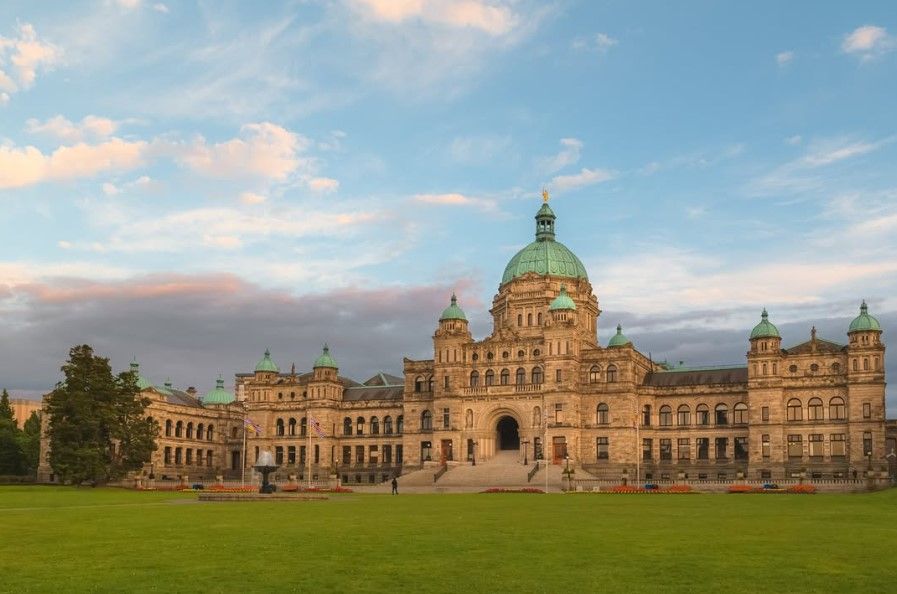
@bclegislature, Instagram
The Topline
- Following a Court of Appeal ruling , B.C. Premier David Eby wants to temporarily suspend parts of the province’s Declaration on the Rights of Indigenous Peoples Act (DRIPA).
- Members of the First Nations Leadership Council (FNLC) rejected his plan, calling it a “unilateral betrayal” of reconciliation commitments.
- DRIPA is a provincial law created by the NDP government in 2019.
- It says the province must give Indigenous peoples free, prior, and informed consent, update its laws over time to be consistent with the United Nations Declaration on the Rights of Indigenous Peoples (UNDRIP), and make decisions on economic growth with input from Indigenous peoples.
- UNDRIP is a 2007 UN declaration that outlines the rights of Indigenous peoples worldwide, including self-determination, land and resource rights, and protection of culture, language, and governance.
- B.C. is unique from the other provinces because most of its land doesn’t have existing treaties with Indigenous peoples.
Never miss another side to every story
Sign up for The Level's 5-minute newsletter, 3x per week
Thanks for subscribing!
Check your inbox for an email to confirm you're on the list. If there's no email, check your spam filter just in case, then mark us as 'not spam' so that you never miss an issue.
Switch sides,
back and forth
We have no choice
In the late John Horgan’s memoir , there’s an entire chapter dedicated to the former premier’s efforts towards reconciliation. He said it wasn’t going to be easy, but was something we had to do.
His epiphany: The path to reconciliation goes through UNDRIP.
UNDRIP was always meant to be brought into B.C.’s laws gradually over time. As more laws were eventually updated, less time would be spent arguing in court over land rights and title, and more time spent growing the province’s economy to the benefit of everyone.
As Horgan put it: A dollar spent on litigation is a dollar wasted on reconciliation.
So when DRIPA was tabled in 2019, it was met with applause and unanimous support from all parties in the legislature.
But six years later, the honeymoon is officially over and Eby says parts of DRIPA need to be amended or suspended for three years.
He has some good reasons though.
Late last year, the B.C. Court of Appeal ruled on a case about the province’s mineral claims system. The court said it was inconsistent with UNDRIP and threw out the existing law.
Eby says there are 20 other lawsuits from Indigenous parties that are being amended following that ruling. All 20 of those lawsuits put existing laws at risk of being tossed. It’s created a “significant litigation risk” for the province and so he needs to act fast.
The intention was always to align with UNDRIP gradually, not immediately. Horgan described the reconciliation journey in his memoir: “It’s not a weekend. It’s not a month. It’s not a year. It’s forever.”
So, Eby’s solution is to temporarily suspend sections of DRIPA to stop the courts from forcing the province to rewrite multiple laws overnight. He likened it to being made to eat an elephant in one sitting.
A suspension will give the province enough time to file an appeal of the mineral case with the Supreme Court of Canada before facing the risk of having to change any other laws.
The NDP isn’t asking to repeal DRIPA completely. Everyone still wants a long-term framework that includes UNDRIP – but also one that balances the interests of 5 million other British Columbians.
Did the government get DRIPA wrong? Shouldn’t they have seen this coming?
Yeah, perhaps. There’s no shortage of government lawyers working on stuff like this. The judges are only interpreting the laws as they were written by the government.
But the request for a temporary suspension of DRIPA doesn’t mean reconciliation is completely off the table, as the Indigenous leaders are suggesting.
We simply need more time to work out some of these unanticipated challenges with it.
For something as complicated as this, that’s not unreasonable.
A deal's a deal
Let’s say you and I write a contract together.
After some back and forth, we both agree on the terms. Each of us signs it, we celebrate, maybe even share a bottle of wine afterwards.
A few years later, I reach out to say I’m changing the contract because the terms are no longer favourable for me.
You say “No, I’m not okay with that.”
And I respond with “Too bad, I’m doing it anyway. I have no choice.”
Wouldn’t you be angry?
The NDP is attempting to do just that with DRIPA. The FNLC, naturally, is pushing back .
The unanimous passing of DRIPA in 2019 was so significant that Indigenous leaders from across the province and the country attended a grand ceremony in the B.C. legislature when it was tabled.
"It moves us away from a relationship of denial," Cheryl Casimer, one of the First Nations Summit political executives, told CBC’s On the Coast at the time.
"Denial of our rights, denial of our title, denial of our basic human rights — and puts us in a position where we can sit as equal decision-maker at tables where decisions are being made that impact our lives."
So when Eby first announced his plans to amend – and then later suspend – parts of DRIPA after a recent Court of Appeal ruling, members of the FNLC made it clear they weren’t going to support any changes to DRIPA whatsoever.
They believe any changes to DRIPA will undo all the progress that’s been made and will set back reconciliation for years to come.
Eby’s reasons include the fact there are now 20 other lawsuits that are being amended following the Court of Appeal’s ruling, which creates a serious risk of having to rewrite several existing laws sooner than planned.
But isn’t that the whole point of DRIPA – to align B.C.’s laws with UNDRIP?
Those 20 lawsuits are literally DRIPA in action.
DRIPA wasn’t written in isolation. The government included members of the FNLC from start to finish. Everyone agreed on it.
It’s their legislation just as much as the NDP’s. DRIPA symbolizes both groups working together – a massive step toward the end of unilateralism.
All that’s happened now is the Court of Appeal has put pressure on the government to get going on things.
If Eby didn’t anticipate that happening, that’s his problem to solve, not the FNLC’s.
