


Neil Malik
Canada’s iconic Snowbirds are cancelled until the early 2030s
Canada’s iconic Snowbirds are cancelled until the early 2030s
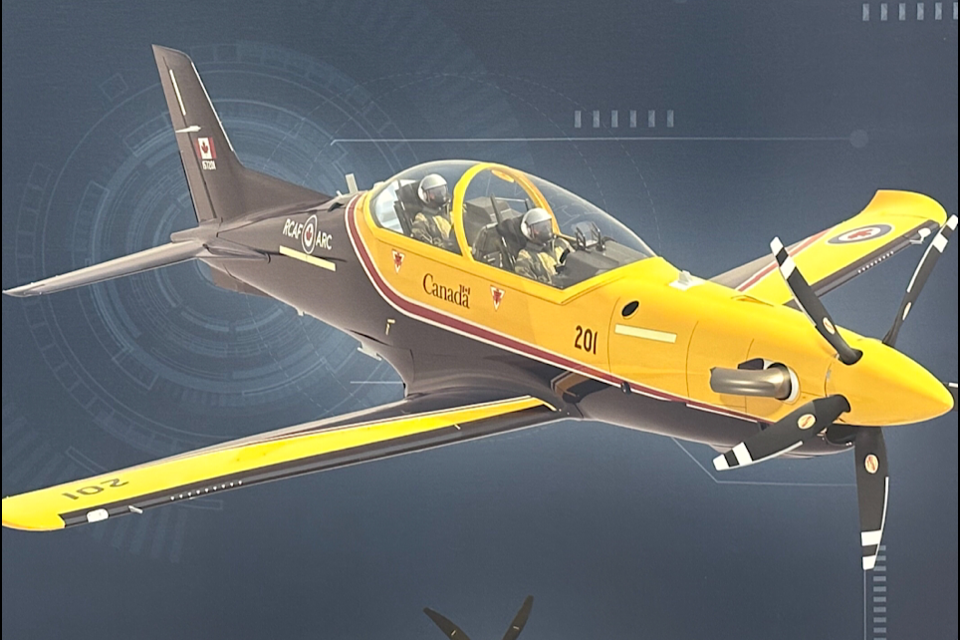
Image courtesy of Deparment of National Defence
The Topline
- The Department of National Defence (DND) announced this will be the final season for the Snowbirds’ iconic CT-114 Tutor jets.
- The Tutors will be retired and replaced by Canada’s new CT-157 Siskin II , with the team anticipated to be performing once again in the early 2030s.
- Because they are more than 60 years old, the Tutors are challenging to maintain and lack modern safety systems.
- In 2021, the Trudeau government committed $30 million to extend the lifespan of the Tutors until 2030, but that plan has now been shelved.
- Critics point out grounding the team for several years could have been avoided, and choosing a propeller plane to replace the existing jets is misguided.
Never miss another side to every story
Sign up for The Level's 5-minute newsletter, 3x per week
Thanks for subscribing!
Check your inbox for an email to confirm you're on the list. If there's no email, check your spam filter just in case, then mark us as 'not spam' so that you never miss an issue.
Switch sides,
back and forth
Safety comes first
Two weeks ago, when Defence Minister David McGuinty told the House of Commons the Snowbirds’ fleet had reached the end of its life, he wasn’t joking.
The CT-114 Tutor jets have been flying for more than 60 years. They are a phenomenal example of Canadian engineering. But the older they get, concerns over pilot safety keep growing.
The Department of National Defence (DND) has spent millions maintaining these antique planes. If they’re finally throwing in the towel, they must really mean it.
It’s a bummer there won’t be any Snowbirds flying until the early 2030s. But once they eventually return, it’ll be a completely new style of show that’s likely to be just as good.
The Snowbirds’ new plane, the Siskin II, also known as the Pilatus PC-21, is just as capable as the Tutor, if not better.
Australia’s national aerobatics team, the Roulettes , also flies the PC-21. They can handle up to six times the force of gravity, known as Gs, during their shows.
The Tutors, on the other hand, max out at five Gs. Look at the specs and it’s hard to call these modern planes a downgrade when compared to ancient technology.
The Tutor also uses an older style of ejection seat, meaning pilots can’t safely eject at low altitudes because the parachute may not have enough time to fully inflate. That simply won’t be a problem anymore with the Siskin II.
The Siskin II was actually selected back in 2024 to be part of Canada’s new fleet of training aircraft for military pilots. The first ones are expected to be delivered later this year.
So by also choosing the Siskin II, the DND is creating efficiencies between the team and the rest of the air force, as opposed to today, when no other department uses the Tutor except the Snowbirds. That’s good for taxpayers when budgets are tight.
Some are suggesting the decision to go with a turbocharged propeller plane instead of another jet is bad for the team’s brand and the show’s quality.
But if you’ve ever seen the Snowbirds perform, you know their show was never about speed. It was about their ability to fly in tight formation with eight other planes. With the Siskin II, that’s not going to change.
Making changes to a longstanding tradition is never easy. But once the team takes to the skies again, the crowds won’t be fazed. They’ll be just as wowed as they are today.
Except this time, the pilots will be in much safer hands.
Propellers just don’t cut it
When this announcement dropped, it was a sad day for Canadians, thanks to a triple-whammy of government incompetence.
First, the issue of outdated planes didn’t suddenly creep up here. The government has known for decades the Tutors were well past their best-before dates.
In 2020, a Snowbirds jet crashed shortly after takeoff in Kamloops, B.C. Capt. Jennifer Casey, a public affairs officer with the Snowbirds, ejected from the plane shortly before it slammed into the ground. Sadly, she succumbed to her injuries.
Issues with the ejection seats had been known as early as 2016. Four years later, the crash occurred, and no action had been taken. Fast forward to today, and still nothing has been done to address an issue the government knew about 10 years ago.
It’s just another example of government bureaucracy moving far too slowly until a problem turns into something they can’t ignore. They make a subpar choice, then boast to reporters about their smart decision-making.
If the government had acted sooner, replacement jets might already be here to overlap with the Tutors. Then we could have avoided the need to cancel all performances for at least the next five years.
Which brings up the second problem: grounding the team until a date still to be determined.
“This is completely unacceptable at a time when we’re being challenged with regards to our identity and our nationhood, that we’re going to ground an … iconic symbol that represents unity,” Conservative MP Fraser Tolmie told reporters earlier this month.
If the government is championing the idea of “elbows up,” why are we grounding a team McGuinty himself called “an iconic part of Canadian culture?”
Lastly, there’s the decision to replace the Tutors with a turbocharged propeller plane — not another jet.
If the Snowbirds are a recruiting tool for the military, it’s hard to spark a “wow” factor with propellers. Fighter jets are something many people rarely get a chance to see in action and are considered the most prestigious aircraft to demonstrate an air force’s capabilities.
Whether it’s the sound, the speed, or the danger factor, propellers just don’t cut it. Maybe that’s why every other G7 country uses jet aircraft in this role.
If you’ve ever attended an air show, you’ll know it’s common for aerobatic teams to perform alongside teams from other countries.
So with this decision, Canada’s propeller planes will be performing next to jet-powered teams like the U.S. Navy’s Blue Angels or the U.S. Air Force Thunderbirds .
That’s just a bad look.
