


Neil Malik
Which side is “winning” the Iran war so far?
Which side is “winning” the Iran war so far?
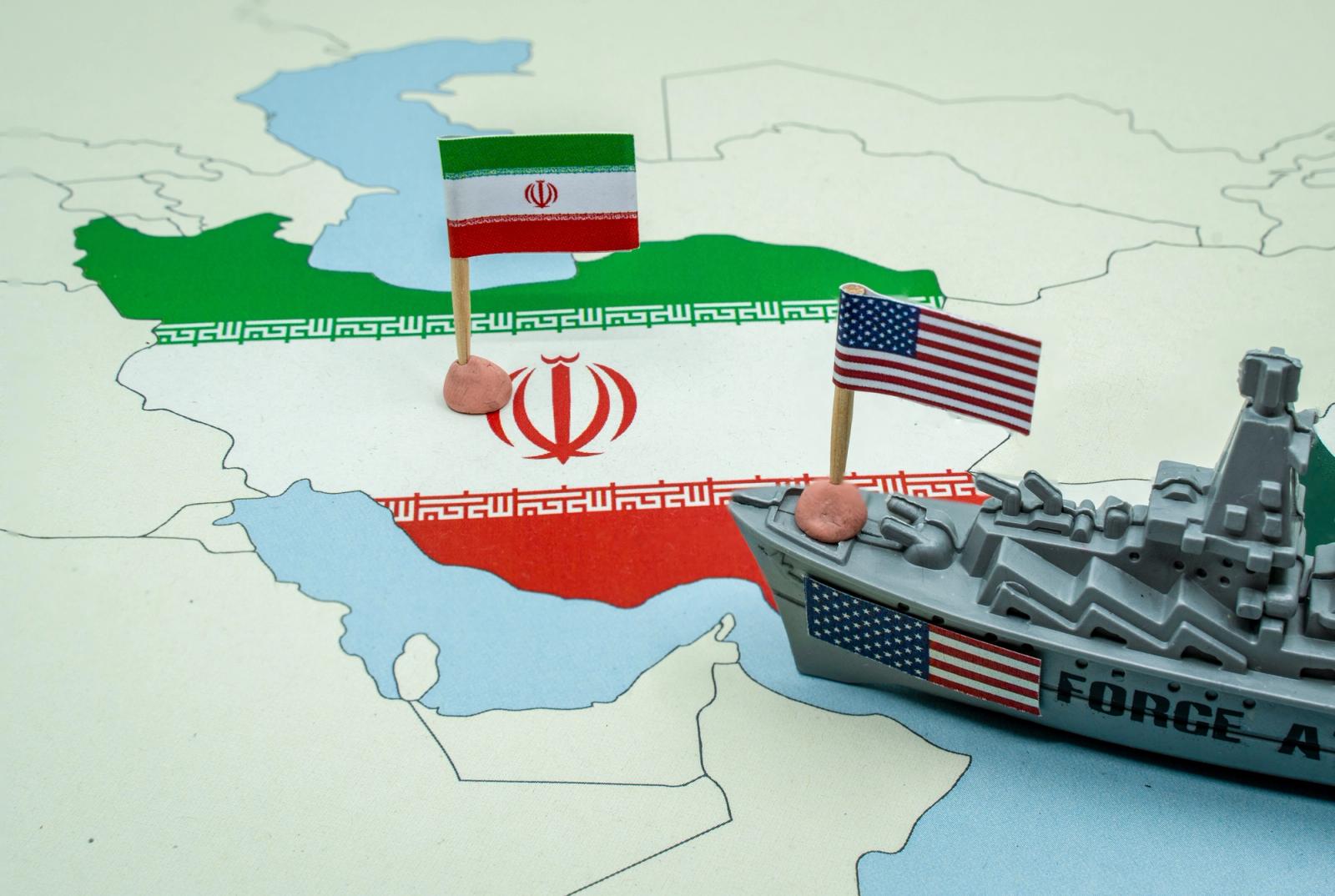
Ivan Marc, Shutterstock
The Topline
Never miss another side to every story
Sign up for The Level's 5-minute newsletter, 3x per week
Thanks for subscribing!
Check your inbox for an email to confirm you're on the list. If there's no email, check your spam filter just in case, then mark us as 'not spam' so that you never miss an issue.
Switch sides,
back and forth
Not triumphant, but clearly ahead
If you’re grading things based on the objectives President Trump said a month ago, the U.S. has some work to do.
But the one goal he left out is still perhaps the most important: regime change.
The regime is technically still in power, but the killing of Supreme Leader Ayatollah Ali Khamenei was a big deal nonetheless. Iranian-Canadians celebrated for good reason.
Other high-ranking members of the regime have also been killed since the war started. Ditto for the military command structure.
Khamenei’s successor – his son – hasn’t been heard from in six weeks and is reportedly unconscious.
Taken together, the regime is a shell of its former self. That’s a solid step forward.
The White House said over 13,000 targets have been struck over the five weeks since the conflict began.
Many of them were used to support the production of weapons and delivery systems. That includes major industrial facilities, petrochemical plants, bridges, rail lines and roads taken out over the past five weeks.
General Dan Caine, the chairman of the Joint Chiefs of Staff, said Wednesday that U.S. bombs had hit “more than 450 ballistic missile storage facilities” and 80 per cent of Iran’s missile production facilities.
The Iranian navy has been largely sunk, with the White House claiming 150 warships across 16 classes have been destroyed, including every submarine in the Iranian fleet.
I know what you’re thinking. There is no shortage of numbers to describe the level of damage caused to Iran. But the sheer volume of destruction isn’t as important as what it symbolizes.
For Iranians, many of those destroyed buildings represent the “architecture of domestic repression” – intelligence compounds, police stations, judicial buildings, and senior officials tied to crackdowns.
A review by Iran International found that at least 130 sites tied to internal repression were destroyed or hit over four weeks.
These buildings housed the institutions that routinely robbed Iranians of their freedoms and crushed protests through arrests, torture, and sham trials.
The finish line isn’t yet in sight. The two-week ceasefire period – if it lasts – provides a much-needed pause for all parties and will hopefully lead to positive negotiations to end the conflict.
But if we’re talking about who’s winning, as challenging as the war has been for the Iranian people, we’ve never been closer to the removal of the regime and a better life for Iranians.
Outgunned, but not outplayed
Three words: Straight of Hormuz.
When the U.S. and Israel started launching missiles and dropping bombs, Iran responded by threatening any oil tankers moving through the Strait of Hormuz, effectively shutting it down.
Suddenly, Iran’s leverage skyrocketed. Its military might not have the same capabilities as the U.S. or Israel, but its chokehold on the global economy has been highly effective.
Approximately 20 per cent of the world’s oil typically flows through the Strait of Hormuz, with 75 to 80 per cent of it bound for Asian markets.
Ordinary people are feeling the impact. Gas prices have jumped to levels not seen since Russia’s invasion of Ukraine in 2022. In some countries , fuel rationing means people can no longer drive their cars on certain days of the week.
The oil that usually goes through the Strait of Hormuz is also badly needed to produce fertilizer, a critical input for the farmers who grow our food.
Helium shipments also stopped. They aren’t just used for balloons, but are essential to making computer chips.
Before this whole thing started, Iran never claimed any direct control over the Strait of Hormuz. So in that sense, they’ve come out in a much stronger position than before.
On the battlefield itself, Iran has made good use of the Shahed drone – something U.S. officials admitted they were having trouble dealing with.
Unmanned aircraft that sound like mopeds, they fly low and slow making them hard to track on radar.
But don’t underestimate their effectiveness . In the first week of the conflict, Iran launched more than 1,000 drones and is estimated to have the capacity to produce around 10,000 per month.
They’re also cheap. They cost as little as $20,000, while the missiles used to shoot them down are upwards of $4 million each.
That brings up yet another point where Iran has come out on top: the financial cost of the conflict.
Prior to the war, Iran’s economy was in shambles . It was printing money just to keep the lights on. It’s hard to see how this conflict would make an already bad thing worse, considering the situation.
The U.S. meanwhile spent $11.3 billion in just the first six days. By day 12, it was estimated to be spending an absurd $385 million per day. Or as the New York Times described , $1.3 million per minute. You’d think at those prices, victory over Iran was a guarantee.
Iran’s not only holding its own, it’s arguably coming out on top – with even more leverage than before the war started.
