


Neil Malik
The mounting debate over Trump’s chokehold on Cuba’s supply
The mounting debate over Trump’s chokehold on Cuba’s supply
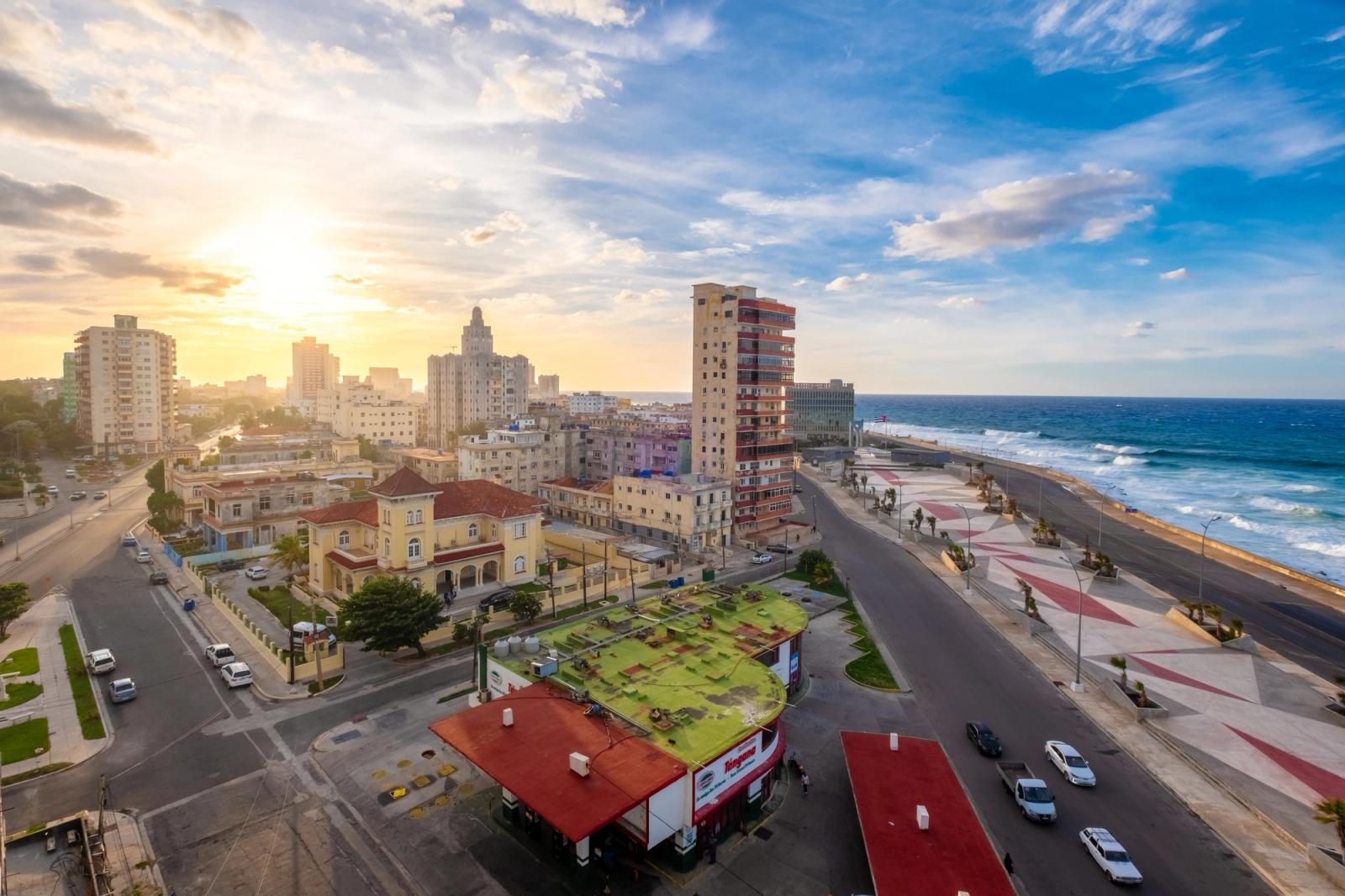
Photo: Kamira, ShutterStock
The Topline
- Cuba is facing a total energy collapse as the Trump administration continues to block any oil from reaching the country.
- Venezuela was once Cuba’s largest supplier of oil, but shipments stopped following the U.S. invasion and capture of Venezuelan President Nicolas Maduro, while Mexico has also suspended deliveries to avoid threatened U.S. tariffs.
- U.S. naval forces are pursuing and boarding tankers suspected of carrying oil to Cuba in locations as far away as the Indian Ocean.
- The risk of a humanitarian crisis is prompting international concern , as the lack of energy is leading to total blackouts and severe shortages of food, fuel, and medicine.
Never miss another side to every story
Sign up for The Level's 5-minute newsletter, 3x per week
Thanks for subscribing!
Check your inbox for an email to confirm you're on the list. If there's no email, check your spam filter just in case, then mark us as 'not spam' so that you never miss an issue.
Switch sides,
back and forth
It’s now or never
U.S. President Donald Trump’s characterization of Cuba is fairly blunt. It’s a country that is “down for the count.”
But if America’s goal is to finally take down Cuba’s authoritarian regime, that description is exactly what he wants. It’s also something 13 previous U.S. presidents were unable to accomplish — but Trump is on the brink of getting there.
Leading the charge is Secretary of State Marco Rubio. He’s the son of Cuban immigrants who came to Florida in the 1950s.
Many Cuban-Americans lost everything following the Cuban Revolution, when Fidel Castro took control and subsequently seized all American-owned property and assets on the island. Today, many of those families, along with Rubio himself, would like nothing more than to see a collapse of the communist regime.
And let’s not mince words. The regime in Cuba is brutal.
According to Human Rights Watch , the Cuban government uses fear and intimidation to stay in power. Peaceful protesters are thrown into prison, where they face ill-treatment and abuse. Anyone who dares to speak out is either locked up or exiled.
The economy, meanwhile, has been mismanaged to death. A report from the University of Navarra highlights such extreme poverty that seven out of 10 Cubans say they skip meals, and more than one million people fled between 2021 and 2024.
It gets worse. Tourism, Cuba’s economic engine, has plummeted by 50 per cent since 2017. The national power grid is falling apart, causing repeated total blackouts across the island since the summer of 2024.
Inflation is so high that most people cannot afford basic goods. The price of gasoline soared by more than 500 per cent in early 2024. The government was forced to ask the UN World Food Program for help providing milk to children.
It’s a sad state of affairs. That’s why Trump’s strategy is needed to remove the regime, once and for all. The people of Cuba deserve better.
And while Trump’s oil blockade is going to make life even harder for Cubans in the short term, it’s ultimately the best shot Trump has to finally break the regime’s grip on power and give the people of Cuba any chance at a better life.
At what cost?
Trump might see the oil chokehold as a means to an end, but it’s also pushing Cuba’s 11 million people toward a looming humanitarian disaster.
The Cuban government, in fact, calls it “genocidio económico” — an economic genocide designed to starve the nation into submission.
UN human rights officials are “ extremely concerned ” about the situation, which will inevitably worsen if the nation’s basic oil needs remain unmet. The lack of fuel is further pushing up food prices and leaving the vast majority of Cubans in the dark through relentless blackouts.
Adding to the misery, the island is still reeling from the destruction of Hurricane Melissa, which tore through the country as a Category 3 storm in October.
The potential human toll from a fuel shortage is frightening. In Havana, power plants need diesel fuel to operate. A lack of electricity means cities can no longer pump drinking water, leaving families without the most basic necessity for survival.
And while U.S. officials boast of sending $6 million in aid, it’s only needed because of the suffering caused by the fuel shortages in the first place. Talk about hypocrisy.
Secretary of State Marco Rubio may have some personal hostility toward Cuba, as he seeks retribution for Cuban-Americans like his parents who were exiled. But critics suggest he sees the island nation as yet another target for aggressive U.S. imperialism.
CBC News reports that the U.S. Navy and Coast Guard have been boarding tankers as far away as the Indian Ocean and shadowing ships across the Caribbean — actions that international law typically considers acts of war.
Canadian political leaders have rightly sounded the alarm. Both the NDP and the Bloc Québécois are calling for immediate humanitarian intervention to support a population caught in the crossfire of U.S. aggression.
Forcing a country to its knees by depriving it of light, water, and food is not a crowning achievement for any president.
It is a legacy of cruelty that history will judge far differently than the Trump administration hopes.
